
Room-by-Room Solutions for Your Home
When homeowners consider refreshing their interior spaces, the decision often comes down to a straightforward question: paint it yourself or hire professionals.
A fresh coat of paint does far more than update your home’s appearance. It protects your walls from moisture damage, extends the life of drywall and plaster, and fundamentally impacts how potential buyers perceive your property when you’re ready to sell. In the Niagara Region, where homes face distinct seasonal challenges and market conditions reward well-maintained interiors, the quality of your interior painting project carries real financial and practical consequences.
This article explores how professional painters approach specific rooms in your home, explains the tangible benefits that separate professional work from DIY attempts, and examines why Niagara homeowners increasingly turn to experienced contractors rather than tackling these projects themselves.
Whether you’re preparing your home for sale, updating outdated colors, or simply maintaining your investment, understanding the difference between professional and amateur painting helps you make decisions that protect your property’s value and ensure results that last.
Professional painters recognize that every room in your home faces unique challenges and requires tailored approaches. The paint specifications, preparation techniques, and application methods that work beautifully in a bedroom may fail prematurely in a bathroom or kitchen. This room-specific expertise forms the foundation of lasting interior painting results.
Living Rooms
Living rooms function as the social heart of most homes, requiring paint solutions that balance visual appeal with practical durability. These spaces experience moderate to heavy foot traffic, furniture contact, and constant exposure to natural light that can cause inferior paints to fade or yellow over time.
Professional painting crews approach living rooms with attention to both immediate impact and longevity. Proper surface preparation addresses minor wall imperfections and creates the foundation for lasting results:
- Filling cracks, holes, and texture inconsistencies with spackling compound
- Sanding patched areas smooth with 120-150 grit sandpaper
- Applying stain-blocking primer to prevent previous colors or stains from bleeding through
The sheen selection for living rooms typically falls between eggshell and satin finishes. These mid-range sheens offer subtle light reflection that adds depth and visual interest while maintaining adequate washability for cleaning fingerprints, scuffs, and everyday dirt accumulation.
Flat or matte finishes, while excellent for hiding minor surface imperfections, lack the durability required in spaces where walls regularly contact furniture or experience cleaning.
Living rooms with architectural features like crown molding, wainscoting, or built-in shelving demand precision brushwork and steady hands.
Professional painters employ “cutting-in”, a method of painting where edges and corners are carefully painted with brushes before rolling main surfaces. These expert techniques create crisp, clean lines between walls and trim, and this attention to detail separates amateur work from professional results.
Bedrooms
Bedrooms generally experience lower traffic than common areas, allowing for more flexibility in paint selection. However, professional standards still require thorough preparation and quality materials to ensure the finish lasts seven to ten years rather than showing wear within three to five.
Adult bedrooms often receive flat or matte finishes that create a soft, non-reflective surface conducive to relaxation. These finishes excel at concealing minor wall imperfections and provide rich, deep color saturation.
Children’s bedrooms, however, require different consideration. Eggshell or satin finishes withstand the inevitable fingerprints, crayon marks, and general wear that comes with young occupants.
The preparation process for bedrooms mirrors other interior spaces: cleaning walls to remove dust and grease, filling holes and cracks, sanding repairs smooth, and applying primer to bare patches. Professional painters know that skipping primer on repaired areas creates flashing, a visible discoloration where paint absorbs differently and creates a blotchy appearance that no amount of additional topcoats will eliminate.
Closet interiors, often overlooked in DIY projects, receive the same professional attention. Properly painted closets prevent clothing damage from rough or peeling surfaces and contribute to overall home value during resale evaluations.
Kitchens
Kitchens present some of the most challenging conditions for interior paint. Cooking generates steam, grease particles become airborne and settle on walls, and temperature fluctuations from appliances stress paint films. These conditions demand specialized paint formulations and expert application techniques.
Moisture-resistant paints with anti-microbial additives prevent mold and mildew growth in areas near sinks, dishwashers, and cooking surfaces. Professional painters understand that standard interior paints absorb moisture, leading to bubbling, peeling, and eventual failure within months in kitchen environments. High-quality acrylic latex paints formulated for moisture resistance create durable surfaces that repel water rather than absorbing it.
The appropriate sheen for kitchens falls in the satin or semi-gloss range. These higher-sheen finishes create surfaces that resist staining and allow for frequent cleaning without degrading the paint film. Kitchen walls near stoves require particular attention, as grease splatter accumulates here, necessitating paints with superior cleanability and stain resistance.
Proper surface preparation in kitchens requires removing grease buildup before painting begins. Professional crews use specialized degreasers to eliminate cooking residue that would otherwise prevent paint adhesion. This critical step determines whether new paint bonds permanently or begins peeling within weeks.
Cabinet areas, backsplash spaces, and areas around appliances receive careful masking and protection during professional painting projects:
- Detailed masking around all fixtures and surfaces
- Protection of countertops, appliances, and flooring
- Careful removal of masking to create clean edges
- Meticulous cleanup to prevent paint drips or residue
Overspray or paint drips on countertops, appliances, or cabinets create costly cleanup challenges. Professional painters invest time in proper protection rather than dealing with remediation.
What Sets Professional Painting Apart
The gap between professional interior painting and DIY attempts becomes evident within months of completion. While DIY projects may initially appear satisfactory, deficiencies in preparation, material selection, and application technique reveal themselves through premature failure.
Surface Preparation
Professional painters allocate 60 to 70 percent of project time to preparation rather than actual painting. This preparation determines paint longevity and finish quality far more than the paint itself. The process includes:
- Wall cleaning and degreasing to remove dirt, oils, and contaminants that prevent adhesion
- Comprehensive repair of cracks, holes, and damaged areas using appropriate patching compounds
- Thorough sanding of all repaired areas and glossy surfaces to create mechanical tooth for paint bonding
- Complete dust removal using tack cloths and vacuum equipment to ensure clean surfaces
- Strategic priming with products matched to substrate conditions and existing finishes
DIY painters typically rush through or entirely skip these preparation steps, creating the conditions for paint failure.
Painting over glossy surfaces without sanding prevents new paint from bonding, resulting in peeling within months. Failing to prime patched areas creates visible repairs that show through topcoats. Leaving dust on surfaces traps particles under paint films, creating rough, unprofessional textures.
Materials and Equipment
Paint quality varies dramatically across price points.
Professional painters use premium paints with higher solids content, superior pigment quality, and advanced binder technologies. These materials cost substantially more than consumer-grade options but deliver performance that justifies the investment.
Professional equipment enables results that consumer tools cannot achieve:
- Commercial-grade sprayers that atomize paint uniformly without brush marks
- Professional roller frames and covers that hold and release paint evenly
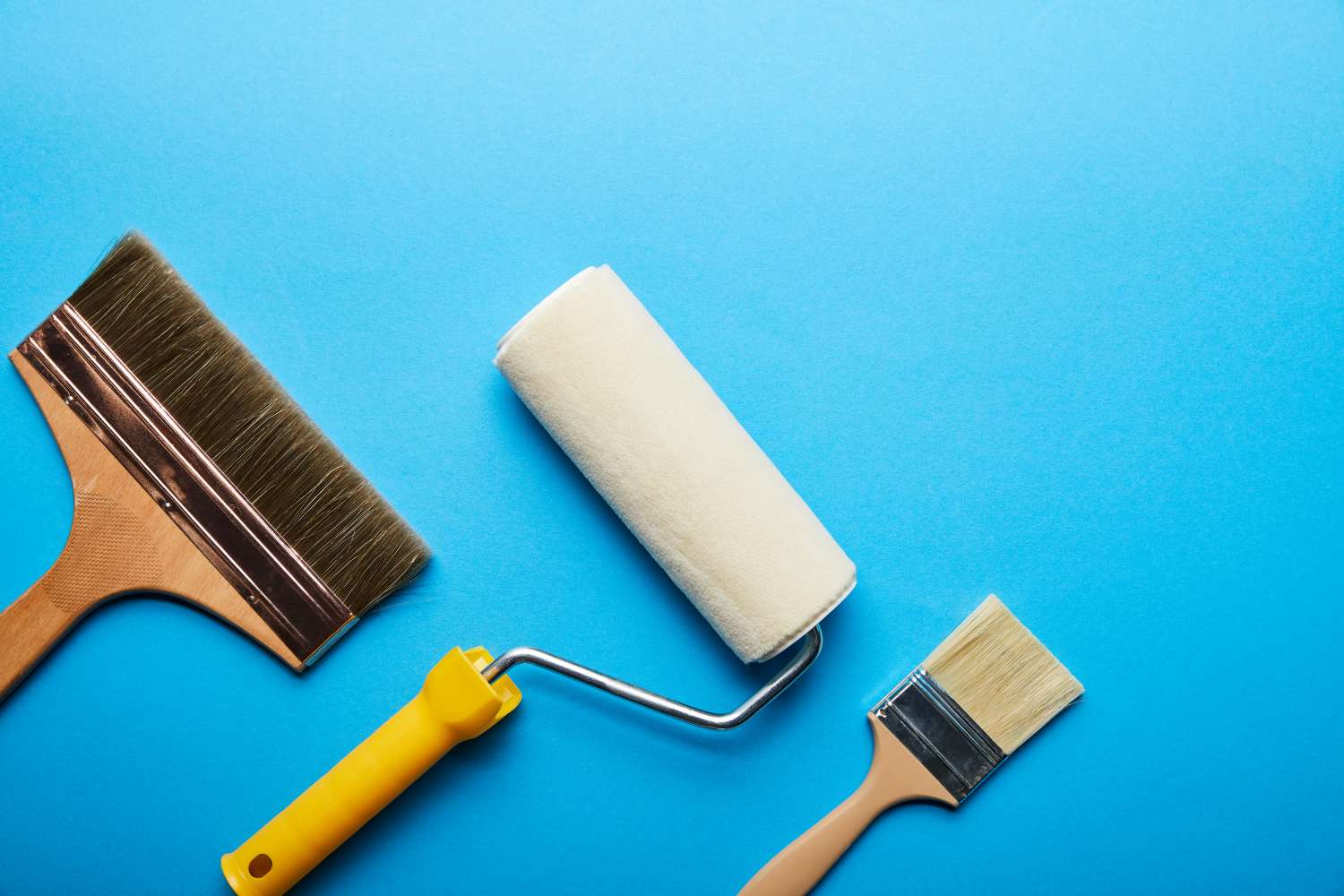
- Premium brushes that eliminate lap marks and uneven coverage
- Proper scaffolding and ladder systems for safety and access
This equipment enables application techniques impossible with consumer tools. High-quality roller covers hold more paint and release it evenly, eliminating the lap marks and uneven coverage common in DIY work.
Color Selection
Color selection presents one of the most challenging aspects of interior painting projects. Paint appears dramatically different on small swatches than on full walls due to lighting conditions, surrounding elements, and the metamerism effect where colors shift in different light sources.
Professional painting companies often provide color consultation services as part of their project scope. Color consultants understand which shades react adversely to specific lighting conditions, which tones complement existing flooring and furnishings, and how to create cohesive color flow between adjacent spaces. This expertise prevents costly mistakes where homeowners paint entire rooms in colors that look completely different than expected, necessitating complete repainting.
The consultation process typically involves examining your home’s specific conditions:
- Visiting the home and observing lighting conditions throughout the day
- Reviewing existing elements that will remain (flooring, fixtures, furnishings)
- Discussing functional requirements for each space
- Providing specific recommendations based on current trends and timeless approaches
This personalized guidance eliminates the guesswork and prevents the disappointment of seeing completed work that doesn’t match the vision.
Speed and Efficiency
Professional painting crews complete interior projects dramatically faster than DIY attempts while delivering superior results. A professional team typically finishes a single room in 6 to 8 hours including preparation, application of two coats, and cleanup. A 1,500 to 2,000 square foot home interior requires 4 to 6 days for complete repainting with proper drying time between coats.
DIY painters often stretch single-room projects across multiple weekends due to limited time availability, lack of professional equipment, and inexperience with efficient workflows. The extended timeline creates household disruption, leaves rooms unusable for weeks, and increases the likelihood of mistakes as fatigue and frustration accumulate.
Professional crews coordinate workflows to minimize household disruption:
- Completing preparation in all spaces first
- Applying all first coats systematically throughout the home
- Returning for second coats after appropriate drying time
- Conducting final cleanup and inspection
This systematic approach maintains project momentum and delivers completed spaces efficiently.
Warranties and Guarantees
Reputable professional painting contractors stand behind their work with warranties covering both workmanship and materials.
Standard workmanship warranties extend for two years, covering defects like peeling, blistering, or premature failure resulting from application issues. These warranties provide homeowners with recourse if problems develop, ensuring contractors return to correct issues at no additional cost.
Paint manufacturers provide separate warranties on the coating products themselves, ranging from 15 to 25 years depending on the product line. Professional painters familiar with these warranties understand how to maintain warranty validity through proper surface preparation and application according to manufacturer specifications.
DIY projects carry no warranty protection.
If paint begins failing after six months, homeowners bear the complete cost of remediation, including materials, time, and the frustration of redoing failed work. The false economy of saving professional fees often results in higher total costs when factoring in material waste, time investment, and eventual professional remediation of DIY failures.
Why Niagara Homeowners Choose Professionals
The Niagara Region’s climate and housing market create specific considerations that make professional interior painting particularly valuable for local homeowners.
Climate and Paint Performance
Niagara experiences significant seasonal temperature variations, from cold winters with indoor heating to hot, humid summers. These fluctuations stress paint films, particularly in poorly ventilated spaces. Professional painters select paints formulated to handle these conditions, with flexibility that prevents cracking during temperature changes and moisture resistance that prevents mildew in humid periods.
Winter painting projects require specific expertise. While interior painting remains viable year-round, cold temperatures slow paint curing even indoors if homes aren’t properly heated. Professional painters manage these challenges by:
- Maintaining appropriate indoor temperatures during application and curing periods
- Using low-VOC formulations that perform better in cooler conditions
- Adjusting project timelines to account for extended drying requirements
Protecting Your Home’s Value
Niagara’s real estate market has seen benchmark home prices around $600,000 to $660,000 for single-family homes, with market forecasts indicating growth into 2026. Professional interior painting protects this substantial investment by maintaining interior conditions and preventing deterioration.
Fresh, professionally painted interiors significantly impact resale value and marketability. Real estate data consistently shows that painting offers exceptional return on investment, often 100 to 150 percent, making it one of the most cost-effective home improvements available. Homes with dated, worn, or poorly painted interiors languish on the market while comparable homes with fresh, neutral professional paint sell quickly and command premium prices.
The difference between professional and DIY paint quality becomes glaringly obvious during home inspections and showings.
Buyers notice uneven finishes, visible brush marks, paint drips on trim or floors, and premature wear that signals deferred maintenance. Professional work creates the polished, move-in ready appearance that accelerates sales and maximizes returns.
Indoor Air Quality
Indoor air quality concerns make low-VOC and zero-VOC paints increasingly important for Niagara families. Volatile organic compounds released from traditional paints cause headaches, dizziness, respiratory irritation, and contribute to long-term health issues, particularly for children, elderly family members, and individuals with asthma or allergies.
Professional painters increasingly use low-VOC formulations as standard offerings.
These paints emit significantly fewer harmful chemicals during application and curing, allowing spaces to return to normal use more quickly without the overwhelming paint smell that forces families to vacate homes for days. The reduced odor particularly benefits winter projects when opening windows for ventilation isn’t practical.
The environmental benefits extend beyond immediate health impacts. Low-VOC paints reduce outdoor air pollution and ground-level ozone formation, contributing to broader environmental responsibility. Professional painters trained in these products understand proper application techniques and can educate homeowners about ongoing indoor air quality benefits.
The Real Cost of DIY Painting
The decision between DIY interior painting and hiring professionals ultimately centers on value, not merely upfront cost, but the total value delivered through quality materials, expert application, efficiency, warranty protection, and peace of mind.
DIY painting may initially appear economical, with lower upfront cash expenditure. However, the true cost calculation must include:
- Material waste from inexperience
- Tool and equipment purchases or rentals
- The significant time investment required
- Opportunity cost of time spent painting rather than on other activities
- Physical demands and potential safety risks
- Likelihood of needing professional remediation if results prove unsatisfactory
Professional painting delivers value through results that last 7 to 10 years rather than requiring attention within 3 to 5, finishes that enhance home value and marketability, expert color guidance that prevents costly mistakes, completion in days rather than weeks of disrupted living, comprehensive warranty protection, and the assurance that comes from experienced professionals handling your home.
For Niagara homeowners managing valuable real estate investments in a climate that stresses paint films, professional interior painting represents prudent stewardship rather than unnecessary expense. The expertise applied to room-specific challenges, the quality of materials and application, and the efficiency of professional workflows combine to deliver results that DIY approaches simply cannot match.
Ready to Transform Your Space?
With over 20 years of experience serving the Niagara Region, Tresham Painting brings the expertise, equipment, and commitment to quality that transforms interior spaces while protecting your investment.
Our comprehensive interior painting services address every room type with appropriate techniques and materials, deliver efficient project timelines that minimize household disruption, provide color consultation to ensure you achieve exactly the look you envision, use premium paints and professional-grade equipment, and back our work with solid warranty protection.
Whether you’re refreshing a single room or completing a whole-home interior repaint, Tresham Painting delivers the professional results that Niagara homeowners deserve. Contact us today for your free, no-obligation quote and discover how professional interior painting elevates your home’s beauty, comfort, and value.