
How Do I Know If My Walls Need More Than Just Paint?
Paint is a finish. It changes how a surface looks, and a good coating protects that surface from ordinary wear and from moisture in the air. What it doesn’t do is repair anything underneath.
A crack running through the tape on a drywall seam is still a crack under two coats of eggshell. A ceiling stain fed by an active roof leak returns through fresh paint, often within a week. Drywall that got wet and stayed wet has lost strength whether or not the surface still looks flat.
This article explains how to tell the difference between a wall that only needs paint and a wall that needs repair first.
It covers:
- How to inspect a wall
- How to read the cracks you find
- Which cracks are cosmetic and which point to structural movement
- What moisture damage looks like at each stage
- When drywall needs replacing rather than patching
- Why paint can’t seal mould
- What older Niagara homes hide behind the paint
- What a painting contractor should be doing before writing the quote
How to Inspect a Wall
Overhead lighting hides almost everything. A flashlight or phone light held nearly parallel to the surface throws a shadow off every ridge, dent, popped fastener, and taped seam. Ten minutes a room is enough.
Problems show up first in the same handful of places:
- The junction where the ceiling meets an interior wall
- The upper corners of window and door openings
- Outside corners
- Walls behind furniture that blocks air movement
- The inside of closets on exterior walls
- The bottom metre of any basement wall
Tapping with a knuckle produces a dull, dense sound over solid drywall or plaster, and a hollow sound where the material has separated from what’s behind it. Pressing lightly beside a crack shows whether the section flexes. A section that moves is loose, and filler won’t hold it.
Cracks That Are Cosmetic
Straight cracks following the drywall layout are seam cracks, running along the taped joints between sheets. Lumber shrinks as it dries, far more across the grain than along it, so the thickest framing boards move the most. Drywall is rigid, so the tape spanning the joint takes the strain and eventually splits.
Nail pops are the small round bumps or chipped circles over a fastener. The board pulls back from the framing as the wood dries, pushing the fastener head outward. Filling and painting a pop without refastening the board leaves the cause in place, and the bump returns.
A crack along the joint between an interior wall and the ceiling that opens every winter and closes in summer is usually truss uplift.
The top of a roof truss sits in cold dry attic air while its bottom chord sits in warm insulated space. That difference in moisture content bows the bottom chord upward in winter, lifting the ceiling drywall and tearing the joint at interior partitions.
The roof isn’t failing, and re-taping the same joint each spring doesn’t stop it. The fix lets the joint move instead of fighting it, usually by freeing the ceiling drywall near the partition or trimming the joint with moulding that covers the gap as it opens and closes.
Cracks That Signal Movement
Diagonal cracks running from the upper corners of door and window openings, cracks that widen along their length, and cracks that reopen in the same place after a proper repair all deserve a closer look before any painting gets booked.
So do cracks that appear alongside doors sticking in their frames, floors out of level, or stepped cracking through the mortar joints of basement block. Most of these problems turn out to be fixable, but the wall is still moving. Filling and painting the crack only buys time until the movement opens it again.
New Homes and the Warranty Clock
In a new home, drywall cracking may be the builder’s responsibility.
Every new home in Ontario comes with a warranty administered by Tarion, and its Construction Performance Guidelines cover cracking, truss uplift, and nail pops. The one-year warranty requires the home to be free of defects in work and materials.
It excludes normal shrinkage as materials dry after construction. Tarion decides a claim on whether the crack is a defect or ordinary seasonal movement. A builder’s warranty is separate from the warranty on the paint itself.
A homeowner has to report the cracking in writing within the warranty period, before hiring anyone to patch and repaint it.
Moisture Changes the Plan
A cosmetic crack can wait. Water coming in can’t, and painting over it guarantees a return visit.
Five signs come up most often:
- Brown or yellow rings and tide lines mean water has been through the material
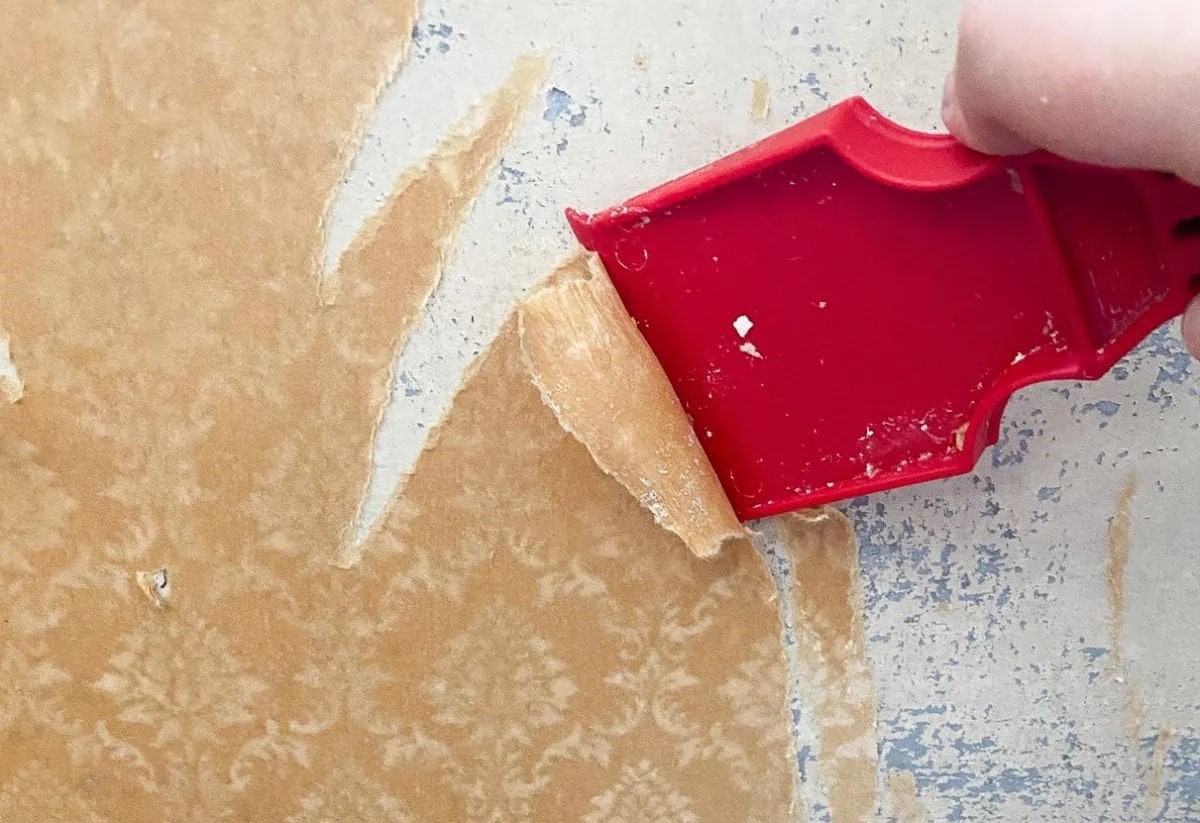
- Paint that bubbles, blisters, or peels in sheets means moisture behind the coating is pushing its way out
- Drywall that feels soft, spongy, or slightly bowed under light pressure has absorbed water
- A musty smell in a closed room points to active growth somewhere out of sight
- Powdery white deposits on basement concrete or block are efflorescence
Health Canada recommends keeping indoor relative humidity below 50 percent in summer and between 30 and 35 percent in winter. Windows that stream on cold mornings and damp patches in closet corners on exterior walls usually indicate high humidity rather than a leak.
Whatever lets water in gets fixed first, whether that’s the roof, a failed seal, a supply line, or indoor humidity. Everything short of that is cosmetic. Scrubbed efflorescence returns with the next wet season, and a coating over a damp wall seals the water in while the structure behind it rots.
Why Water Stains Bleed Back Through
The compounds in a water stain dissolve in water.
A latex topcoat redissolves them and carries them into the film as it dries. That’s why a brown ceiling ring reappears through new paint. Additional coats of the same product change nothing, and paint labelled self-priming changes nothing either, since it’s still waterborne. Water stains need a stain-blocking primer the topcoat can’t re-wet.
In practice that means a shellac-based or oil-based product spot-applied over the stain. It goes on after the leak stops and the substrate dries.
When Drywall Has to Come Out
The Gypsum Association standard for water-damaged board is strict. Board that got wet only stays if all four of these hold:
- The leak has been found and stopped
- The water was clean
- The board dried out before mould started, usually within 24 to 48 hours
- The board is still solid, with no rusted fasteners, no lifting paper, and nothing crumbling
Anything short of all four and it comes out. Board touched by sewage or flood water comes out with no assessment at all, and where there’s any doubt, the standard says replace it.
A moisture meter reading doesn’t settle it either way. Gypsum holds 21 percent of its own weight as chemically combined water, and there’s no industry standard for how much free moisture is acceptable. A meter shows which areas are wetter than others, not whether the board can stay.
Mould Can’t Be Painted Over
Health Canada states that painting over a mouldy surface doesn’t kill mould or stop it from growing back. Mould-resistant paint keeps a sound surface in a humid room from growing mould in the first place. It can’t fix a surface that already has it.
Its guidance treats an affected area as small if it covers one square metre or less, with no more than three patches adding up to that square metre. You can clean small areas on washable surfaces yourself, and a remediation contractor handles anything larger.
The moisture behind the growth has to go first, or the mould comes back in the same spot. Porous materials like drywall and insulation don’t clean up satisfactorily once mould has taken hold, so they come out.
Older Niagara Homes: Plaster, Lead, Asbestos
Homes in St. Catharines, Niagara-on-the-Lake, and the older parts of Fonthill and Grimsby bring three problems newer houses don’t have.
Plaster over wood lath holds because the wet coat squeezes through the gaps between lath strips and hardens into keys. Those keys break over decades from vibration, moisture, and ordinary movement, and once enough of them fail the plaster detaches while still looking intact from the front. Nothing behind it is holding on, so a hollow, slightly springy section won’t hold a skim coat and paint.
That section gets refastened with plaster washers or cut out and rebuilt before any painting happens.
Lead turns up in old paint. Health Canada’s position is that a home built before 1960 probably contains lead-based paint, and that exteriors of homes built between 1960 and 1990 may contain it. Paint produced after 1990 is virtually lead-free.
Intact lead paint isn’t the hazard; sanding, scraping, or heating it is, since that’s what puts lead into house dust. Painting historic homes in Niagara covers lead-safe preparation and period-appropriate colour in more detail.
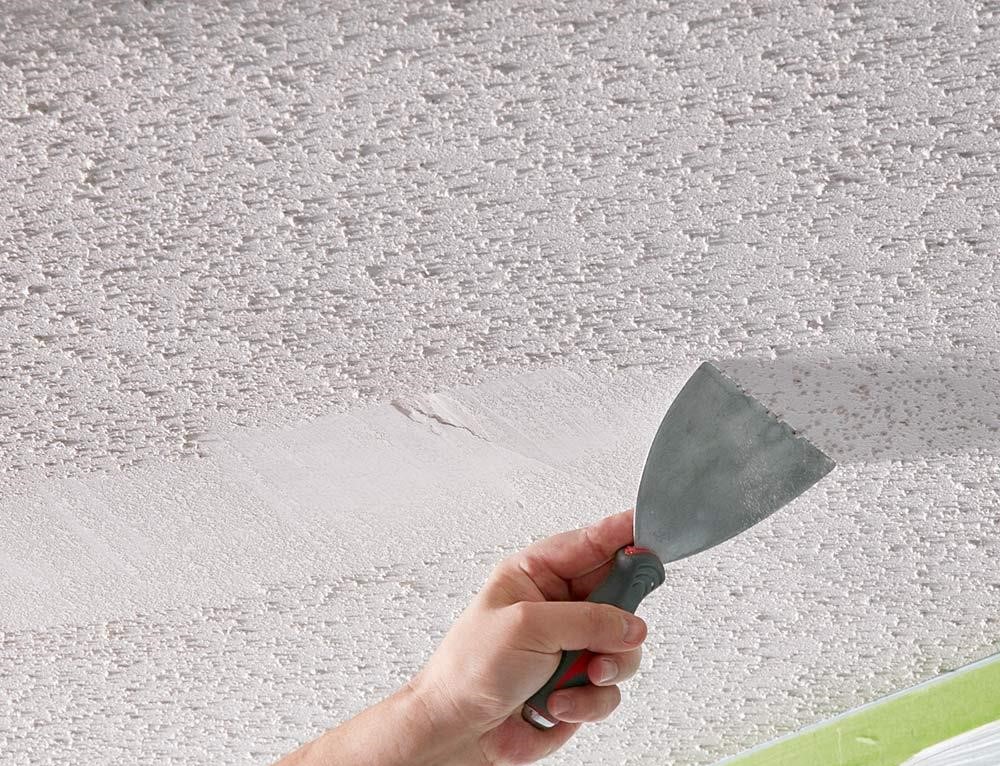
Asbestos turns up in old walls too. Joint compound and textured ceiling finishes commonly contained asbestos in homes built or renovated before 1990. Both stay stable while undisturbed and turn hazardous under a sander or scraper, and nothing about their appearance identifies them, so laboratory analysis of a sample is the only way to know.
Ontario’s asbestos regulation requires testing before work that could disturb them. Any contractor worth hiring asks the age of the house before sanding a ceiling.
What Belongs in the Estimate
A walk-through belongs before the estimate, not on the first morning of the job.
The prep line on a quote should name the actual work. That normally means sanding, patching, cleaning, priming, and caulking. A line reading only “prep as required” describes nothing. Painting Estimates Explained walks through the other line items.
Painting contractors aren’t roofers, plumbers, or remediation specialists. A contractor who tells you to call a roofer before the ceiling gets painted wants the paint to last.
Tresham Painting works throughout Hamilton, Burlington, Oakville and the surrounding Niagara region, and every estimate starts with a look at the walls. Get a Free Quote today to learn more.